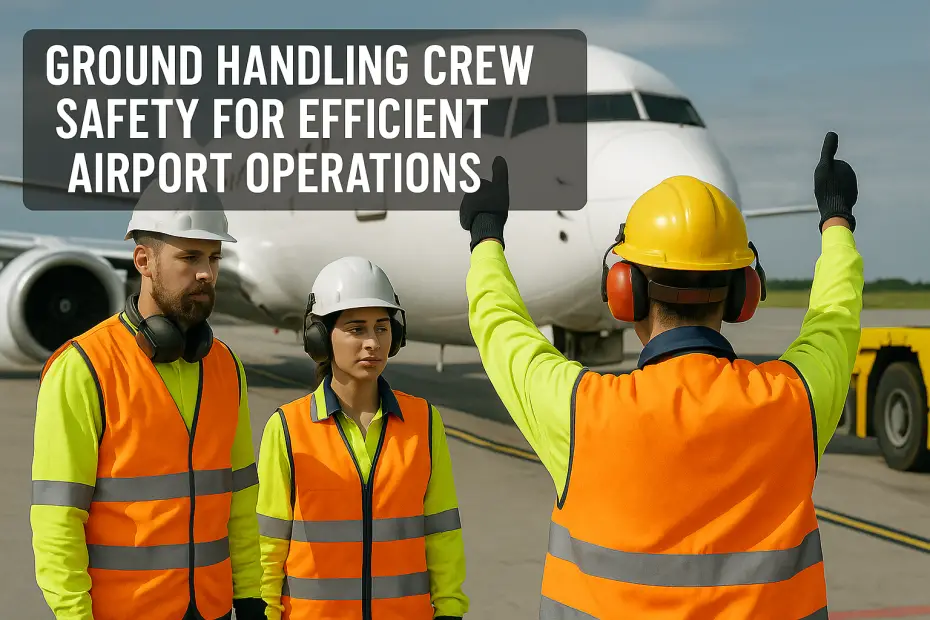
From the moment an aircraft touches down to the second it lifts off again, there’s an entire workforce on the ground making sure everything runs smoothly. These are the people guiding planes, loading cargo, refueling tanks, inspecting tires, and doing it all in tight windows of time. Their jobs are high-pressure and physically demanding. And their safety is not just a personal matter, it affects the pace and reliability of entire airport operations.
You’ll often see these crew members suited up in reflective vests, hard helmets, and protective footwear from brands like Timberland PRO. They rely on safety gear not only to protect themselves, but to stay visible and efficient in unpredictable conditions. Safety for the ground crew isn’t a side note. It’s the backbone of operational success.
Fast Does Not Mean Careless
Airports are built around speed. Delays are costly, so ground crews are under constant time pressure. But working faster doesn’t mean cutting corners. It means refining routines, communicating clearly, and using systems that prevent accidents without slowing down the job.
This balance starts with proper training. Every crew member should be confident in how to move quickly while still following every step of a checklist. Muscle memory helps when time is tight, but understanding why each task matters keeps the focus sharp. Whether guiding a jet into the gate or operating heavy machinery, the smallest error can have major consequences.
By designing routines that are both safe and fast, airports reduce accidents, avoid aircraft damage, and maintain efficient turnaround times. It’s not about speed versus safety; it’s about combining the two with smart planning.
Visibility Is a Form of Protection
Airports operate like cities, with their own traffic, signals, and rules. The difference is that the vehicles involved are enormous and often move with limited visibility. For ground handlers, being seen is critical. That’s why high-visibility clothing, blinking lights, and clear hand signals are non-negotiable.
It’s not just about what they wear. It’s about how crews position themselves, how they move near aircraft, and how clearly they’re communicating. The visibility of the crew, both physically and in terms of procedures, keeps everyone safer. That includes flight crews, maintenance staff, and even passengers nearby.
Bright gear, lighted batons, and reflective paint may seem simple, but they are among the most powerful tools for preventing serious accidents. In an environment this busy, being easy to spot is one of the smartest forms of defense.
Working With the Elements
Airports don’t close for bad weather. That means crews are out there in the rain, heat, wind, and snow, often with only a few minutes to complete a task. These conditions are hard on the body and can create unexpected hazards. Wet tarmac, freezing metal, and reduced visibility make routine tasks much riskier.
Protective gear needs to match the environment. In extreme heat, lightweight and breathable materials prevent exhaustion. In the cold, thermal gloves and insulated jackets keep hands steady and responsive. Footwear must be slip-resistant and supportive, especially on slick surfaces.
But gear alone is not enough. Teams need to adjust their routines to stay safe. That might mean working in shorter bursts, using extra communication in low-visibility conditions, or delaying certain tasks until it’s safe. Being flexible and prepared for the elements keeps both the crew and the schedule intact.
Machines Are Helpful, Until They’re Not
Most of the heavy lifting in ground handling is done with machines. Belt loaders, tugs, fuel trucks, and de-icing equipment all speed up the process. But every machine also introduces risk. That’s why operating equipment safely is as important as using it efficiently.
Each team member who uses machinery should be certified and up to date on the latest practices. Pre-use inspections, safe start-up procedures, and clear paths for movement are essential. Crew members must also know how to react if a machine fails or becomes unstable.
The airport environment is unpredictable. A sudden shift in weather or a small miscommunication can turn a routine machine task into a dangerous one. The goal is not just to use the equipment, but to stay in control of it at all times.
Communication Keeps Everything Moving
No one works alone on the tarmac. Every task is part of a sequence, and every person plays a role. Good communication keeps that chain strong. Bad communication breaks it quickly.
Whether through hand signals, radios, or eye contact, teams need clear and immediate ways to coordinate. Everyone should know who is in charge of what, when it’s safe to move, and where each piece of equipment is heading. Confusion leads to hesitation, and hesitation in this environment can be risky.
Daily briefings, cross-training between roles, and open reporting systems help reinforce a culture of clarity. When crews are confident in what to say and when to say it, everything runs more smoothly and more safely.
Rested Crews Perform Better
Exhaustion is dangerous. It dulls judgment, slows reaction time, and leads to mistakes. Ground handling is physically intense, and crews often work long hours across shifts that rotate through the night. Without proper rest and recovery, even the best-trained teams can slip up.
Airport operators must prioritize crew wellness. This includes scheduling reasonable shifts, offering proper breaks, and promoting hydration and a balanced diet. Rest isn’t just about comfort. It’s about performance and safety.
Well-rested workers are more alert, responsive, and better able to notice when something is amiss. In a job where timing and attention matter so much, giving people the time to recharge is one of the smartest operational decisions you can make.